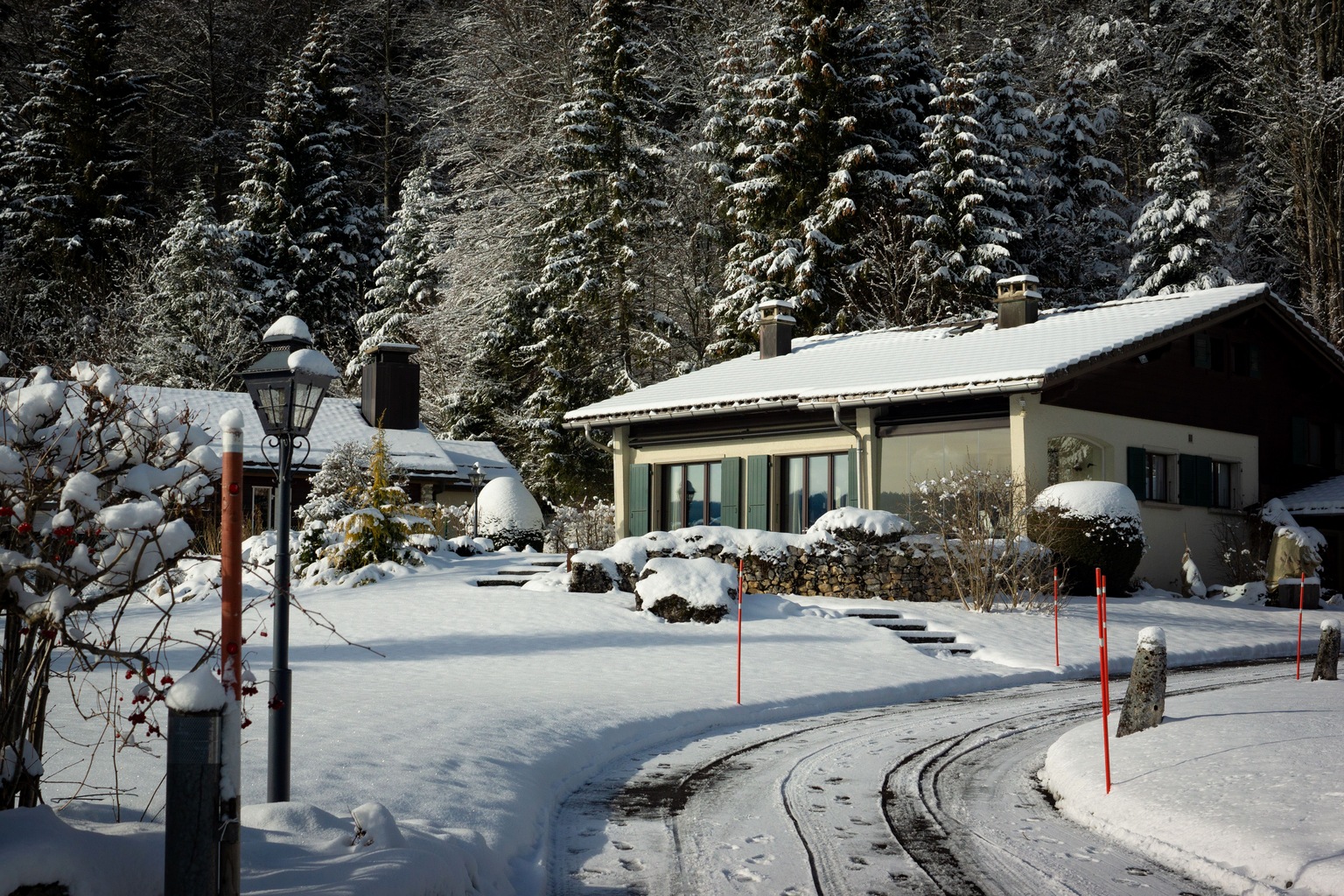
A Penticton townhome can work well as a seasonal base, but the purchase decision is not only about lake weekends or a low-maintenance lock-and-leave lifestyle. A home that sits empty for weeks at a time needs compatible strata bylaws, insurance terms, reliable local oversight, secure access and a realistic winter plan. Review those systems before you remove subjects—not after the first long absence.
What this means for you: seasonal use should be treated as an operating plan, not an assumption. The right property is one you can insure accurately, monitor responsibly and leave without creating avoidable risk for neighbours or the strata corporation.
Start with the ownership pattern you actually want
Define “seasonal” before comparing homes. Will the townhome be your own summer and holiday base, a future retirement home, a place shared with adult family, or a property that may sometimes be rented? Those are different use cases. Owner visits are not automatically the same as short-term accommodation, and occasional guests are not automatically tenants, but the bylaws, insurance policy and local rules can treat occupancy arrangements differently.
Write down a normal year: arrival months, longest expected absence, who holds keys, whether pets travel with you, where vehicles remain, whether anyone else may stay without you, and whether rental income is part of the plan. Then test each prospective property against that pattern. A buyer who expects six quiet owner-occupied visits needs a different review from someone expecting frequent guest turnover.
Also decide how much remote management you genuinely want. Townhome living can reduce exterior maintenance, but it does not transfer every responsibility to the strata. Interior plumbing, appliances, heating, owner-installed improvements, contents, access coordination and emergency response can remain the owner’s problem.
Read the bylaws for absence, guests, parking and access
B.C. strata corporations must have bylaws and may have rules. Bylaws can govern the use of strata lots, while rules govern the use, safety and condition of common property and common assets. Both can apply to owners, tenants and visitors.[1] Do not rely on a listing description that calls a development “vacation friendly” or “lock and leave.” Read the filed bylaws, amendments and current rules.
Search for provisions addressing short-term accommodation, rentals, age restrictions, pets, parking, recreational vehicles, visitor stalls, storage, barbeques, smoking, window coverings, security devices, key or fob control, water shutoffs, heat settings, emergency entry, prolonged absence and owner contact information. Even when a bylaw does not use the words “seasonal use,” several sections may affect the plan.
Separate your own use from any proposed rental activity. If you expect to advertise stays, exchange occupancy, accept payment or let unrelated people use the home, obtain legal and insurance guidance on the exact arrangement. Confirm strata rules and applicable government or municipal requirements independently. Do not assume that because you own the unit, every form of temporary occupancy is permitted.
Ask how the strata handles owner absences operationally. Is there an emergency-contact form? Must the manager have a local contact? Are owners expected to leave a key, permit access, maintain heat or arrange inspections? Under the Standard Bylaws—which can be amended—owners cannot refuse authorized emergency entry, and access may also be required with notice for work the strata must maintain or insure. The actual filed bylaws control, so verify the version for the property.[1]
Build the purchase review around current records
A current Form B is a starting point, not the whole answer. The Province says it discloses current strata information including fees, approved special levies, outstanding notices or work orders, parking and storage details, insurance coverage and unfiled bylaw amendments. Attached documents include the rules, current budget, most recent depreciation report and electrical planning reports.[2]
For seasonal ownership, use those records to investigate how the development performs when an owner is away. Read council and general-meeting minutes for water losses, frozen pipes, roof or drainage issues, security incidents, garage break-ins, fob changes, irrigation failures, pest concerns, snow removal disputes and emergency-access delays. One incident does not prove a chronic problem; repeated themes and unresolved recommendations deserve questions.
Review the depreciation report and approved projects for systems that affect remote ownership: roofs, exterior walls, windows, balconies, water mains, sanitary lines, drainage, retaining walls, roads, gates and fire-safety equipment. Ask how owners are notified of planned entry or shutdowns, how quickly access must be supplied and whether someone can represent you locally.
Tell the insurer exactly how the townhome will be used
Strata corporation insurance is not a substitute for the owner’s policy. Provincial guidance says the corporation’s policy does not cover the owner’s personal liability, household contents, additional living expenses or the owner’s potential obligation for the strata corporation’s deductible. It also identifies coverage questions for a unit left vacant for periods of time.[3]
Before removing insurance subjects, tell the broker that the home will be used seasonally. Give the expected occupancy pattern, longest absence, whether utilities remain on, heating type, monitoring devices, local-check schedule, guest use and any rental intention. Ask the broker to explain the policy’s definitions of “vacant” and “unoccupied,” absence conditions, inspection frequency, water-loss requirements, heat-maintenance requirements, exclusions and proof expected after a claim. Use the insurer’s wording and written confirmation rather than a generic internet checklist.
Take the strata insurance summary to the broker so the unit and corporation policies can be compared. Ask about contents, improvements and betterments, personal liability, additional living expenses, sewer backup or water damage, earthquake coverage and deductible assessment. The Province recommends reviewing owner insurance annually and discussing changes in strata coverage with a knowledgeable broker.[3]
Can you operate as planned?
Confirm owner use, guests, rentals, pets, parking, storage, access and absence requirements from current documents.
Will the policy recognize the pattern?
Disclose seasonal occupancy and obtain written requirements for inspections, heat, water, alarms and absences.
Can you detect trouble early?
Plan temperature, water, power and entry alerts without assuming technology replaces physical checks.
Who can act in Penticton?
Name a reliable contact who can inspect, document, coordinate access and respond when you cannot.
Design a winter absence plan before the first freeze
Penticton winters make heat and water planning material even if the home is mainly used in summer. FortisBC advises maintaining at least 17 °C while away in winter to help prevent pipes and appliances from freezing and moisture from building up in walls.[4] Treat that as general energy guidance, then follow the property’s mechanical design, insurer requirements and qualified-contractor advice.
Identify every water line that could be vulnerable: exterior-wall plumbing, garages, crawlspaces, hose bibs, irrigation controls, utility rooms, washing-machine hoses, dishwashers, ice makers and owner-installed fixtures. Ask which components are strata responsibility and which are owner responsibility. Do not close shared or fire-safety valves, drain systems or alter common equipment without authorization.
A remote thermostat, leak sensor and power-loss alert can improve visibility, but each depends on power, internet, batteries, correct placement and someone able to respond. Test notifications from outside the home. Record device names, battery dates, shutoff locations and the local contact’s authority. A screen showing a normal temperature is useful; it is not proof that every pipe, drain or appliance is safe.
Arrange physical checks at the frequency required by the insurer and appropriate to the home. The checker should know what to inspect, how to document the visit, whom to call and when not to touch equipment. A simple dated log can include interior temperature, signs of water, odour, power status, alarm panel, windows and doors, plumbing areas and photographs when appropriate.
Plan security without advertising absence
Security is partly physical and partly procedural. Review the quality and permitted use of door hardware, garage controls, patio doors, windows, storage lockers, mail handling, fobs and cameras. Confirm whether a camera would view only your own permitted area or could capture common property in a way restricted by strata policy or privacy law. Seek legal guidance where needed.
Limit key and code distribution. Keep a current list of who can enter, remove former users promptly and avoid placing the property address, entry details and travel dates in public posts. Timers, lighting and monitoring may help, but a trusted local presence remains important. FortisBC suggests timers for lights and motion sensors as possible security measures while away.[4]
Ask about package delivery, mailboxes, snow accumulation, landscaping and parked vehicles. A visibly untouched entrance can signal absence even when the interior is monitored. In a townhome, exterior appearance may be controlled by the strata, so coordinate any service rather than assuming an owner can hire work on common property.
Prepare for heat, smoke and shoulder-season changes
Seasonal planning is not only about freezing. Summer heat can affect indoor temperature, refrigerators, plants, finishes and stored items. Wildfire smoke can create air-quality concerns and can change travel plans even when the property itself is not threatened. Ask how the heating and cooling system performs remotely, whether filters can be serviced, and whether windows, vents or portable equipment create security or water-entry issues.
FortisBC advises reducing or turning off air conditioning during summer absences when appropriate, closing blinds to limit heat gain and unplugging unnecessary electronics.[4] Apply those ideas carefully to the actual home, occupants, insurer requirements, appliance manuals and any equipment that must remain powered. Never turn off a circuit that supports alarms, pumps, networked monitors or building systems without understanding the consequence.
Budget for the real cost of part-time ownership
A seasonal townhome still carries twelve months of strata fees, property tax, insurance, utilities, maintenance and contingency exposure. Add the cost of local checks, monitoring subscriptions, internet, travel, cleaning, key management, winter service and emergency callouts. If the property is a bare-land strata, ask the broker and lawyer how building insurance and maintenance responsibilities differ.
Do not justify the purchase by assuming rental revenue unless the exact rental model is lawful, permitted by the strata, acceptable to the insurer and operationally realistic. Model the property first as a home you can comfortably carry without uncertain income. If revenue is essential, obtain professional tax, legal, licensing and insurance advice before committing.
| Before leaving | While away | Before returning |
|---|---|---|
| Confirm heat, water, appliances, windows, alarms, mail and local-contact instructions | Complete documented checks, review alerts, respond to notices and keep access available | Check weather and utilities, ask about building work, confirm access and inspect on arrival |
| Tell no public audience the home will be empty | Update the strata manager if contact information changes | Review any incident log before turning systems back to normal |
| Follow the insurer’s written absence conditions | Keep the policy and emergency numbers accessible | Record maintenance or repairs for the next absence plan |
Protect the seasonal-use review in the offer
Allow enough subject time to obtain the current strata package, insurance guidance and answers from the strata manager or council. Make the intended occupancy pattern clear to the insurer and legal adviser. If a seller describes the home as a successful seasonal property, request evidence of the systems that made it work rather than treating the statement as a guarantee.
Useful evidence can include maintenance records, equipment manuals, monitoring history, water-loss repairs, winter invoices, local-contact arrangements and correspondence about access or absence. Confirm that any smart devices, subscriptions, cameras, hubs or garage controls included in the sale can be transferred securely and reset to the buyer.
Seasonal-use townhome buyer checklist
- Define the use. Record months occupied, longest absence, guests, pets, vehicles and any rental plan.
- Read current bylaws and rules. Search for occupancy, rentals, guests, access, parking, storage, pets, security and absence requirements.
- Review the current Form B package. Check fees, levies, insurance, notices, work orders, budget, depreciation report and attached rules.
- Read the minutes. Look for water, freezing, security, access, drainage, snow and emergency-response themes.
- Call the insurer. Disclose seasonal use and get absence, inspection, heat and water conditions in writing.
- Map the systems. Identify heating, cooling, water, shutoffs, alarms, internet dependencies and vulnerable locations.
- Name a local responder. Confirm keys, authority, availability, documentation and backup contact.
- Test remote alerts. Simulate temperature, leak, power or entry notifications before relying on them.
- Budget the full year. Include carrying costs, monitoring, local checks, travel and contingencies.
- Keep a property file. Store policies, bylaws, contacts, manuals, photos, check logs and service records together.
FAQ: seasonal-use Penticton townhomes
Often yes, but the specific plan must fit the strata bylaws and rules, insurance policy, access requirements and the owner’s maintenance obligations. Verify the exact property.
No. Personal occupancy and rental or temporary accommodation are different arrangements. If anyone will pay or occupy under an exchange or booking arrangement, obtain property-specific legal, regulatory, strata and insurance advice.
The corporation’s insurance and the owner’s policy cover different interests. Ask the owner’s broker how seasonal occupancy, vacancy, unoccupancy and absence conditions apply.[3]
No. Devices can improve visibility, but power, internet, battery or sensor failures are possible. Follow the insurer’s inspection requirements and maintain a capable local response plan.
FortisBC publishes general guidance to maintain at least 17 °C while away in winter.[4] The actual plan must also follow the insurer, strata requirements, equipment design and qualified advice.
Authoritative sources
- [1] Province of British Columbia: Strata bylaws and rules explained
- [2] Province of British Columbia: Form B Information Certificate
- [3] Province of British Columbia: Strata owner and tenant insurance
- [4] FortisBC: Energy and home-care steps while on vacation
- [6] Matheus Guimarães / Pexels: representative winter-home photograph
Want to keep going?
Get the South Okanagan Townhome Buyer’s Guide (Free)
Clear checklists, strata fee basics, and the questions buyers forget to ask.
No spam. Unsubscribe anytime.