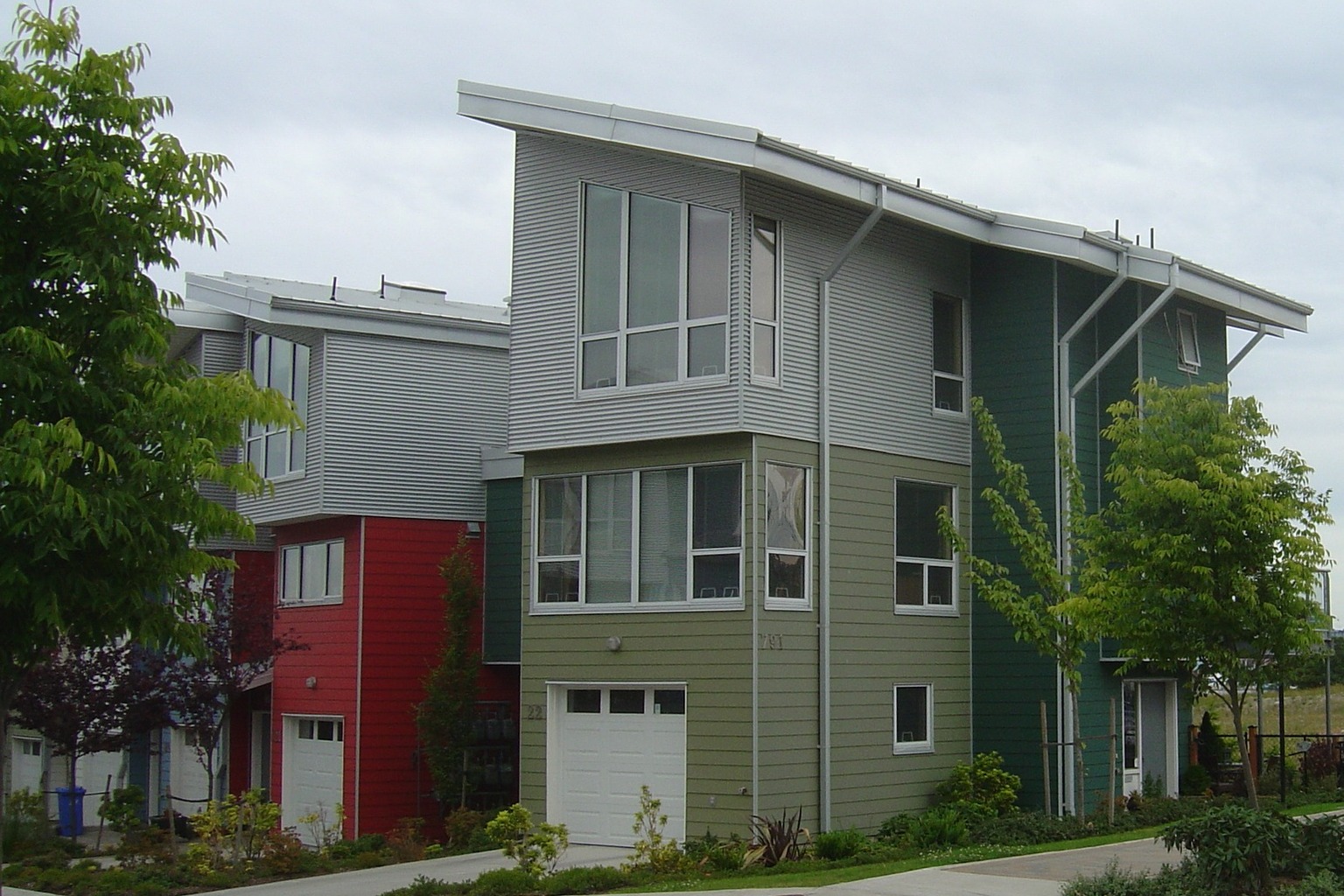
Selling a Penticton townhome is not only about preparing the rooms and choosing an asking price. Buyers are also evaluating the strata or shared-property structure, monthly fees, maintenance responsibilities, insurance context, bylaws, recent decisions and possible future work. A well-prepared seller makes the home easy to understand and reduces avoidable uncertainty before the listing reaches the market.
The right plan is specific to the unit, complex, timing and seller. This guide explains the process without promising a price or sale date. Property condition, strata records, market conditions and contract terms can change. Legal, tax, accounting, insurance and technical questions should be confirmed by the qualified professional responsible for that advice.
Short answer: start early, assemble a current strata and property file, choose repairs and presentation work deliberately, price against relevant evidence and live competition, market the unit and complex accurately, make showing access workable, compare the whole offer and prepare the closing handoff before deadlines become urgent.
1. Build the seller timeline before choosing launch day
A useful seller timeline works backward from the move, not forward from the day photographs are taken. Start with the desired completion and possession range, then identify financing, purchase, tenancy, family, travel or renovation constraints. If the sale is connected to another purchase, discuss how deposit timing, bridge financing, conditions and possession dates could interact with a lender and legal professional before accepting an offer.
Three to twelve months of preparation can provide breathing room, but a shorter timeline is manageable when priorities are clear. Divide the work into planning, document collection, repairs and presentation, launch preparation, showings, offer review, condition removal and closing. Assign an owner and deadline to each task. This prevents small items—missing remotes, uncertain parking identifiers, an overdue form request or an unavailable service provider—from becoming launch-week problems.
- Planning: target dates, move constraints, financing questions and decision-makers.
- Preparation: records, approved repairs, cleaning, staging choices and access.
- Launch: final price, factual marketing, media approval and showing instructions.
- Transaction: offer comparison, conditions, deposit, conveyance and possession handoff.
2. Make the strata and property file buyer-ready
Townhome buyers commonly need more than a feature sheet. They may review current bylaws and rules, the budget and financial statements, council and general-meeting minutes, depreciation planning, insurance information, the strata plan and property-specific forms. The exact package and date requirements depend on the transaction and applicable rules, so begin with a current document list rather than recycling an old sale package.
Read the records before launch. Look for recurring maintenance discussions, approved or proposed spending, insurance changes, disputes, alterations, parking or storage details, pet and rental provisions, age restrictions, move procedures and owner-maintenance duties. The goal is not to hide a difficult point. It is to identify what must be verified, explained or referred to the appropriate professional before a buyer discovers it under a tight condition deadline.
Create a separate property file for permits, warranties, receipts, alteration approvals, appliance information, keys, fobs, remotes and service records that are accurate and transferable. Do not describe an improvement as approved, warranted or included unless the supporting record and contract language confirm it. If a patio, yard, parking stall, storage area, window, roof or exterior component matters to the sale, verify its ownership, use rights and maintenance responsibility instead of relying on appearance.
Document finish line: a dated, organized package with material gaps identified, no stale restriction labels, and a clear plan for obtaining any missing record.
3. Choose presentation and repair work deliberately
Preparation should make the home easier to inspect, photograph and imagine living in. Start with safety, active maintenance and obvious condition issues. Then address lighting, cleanliness, odours, clutter, damaged finishes, storage pressure, outdoor areas and the path from parking to the front door. A polished front approach and functional entry often do more for confidence than decorative changes scattered through the unit.
Do not assume every renovation produces a return. Compare cost, timing, buyer expectations, existing condition and the possibility that a buyer would choose a different finish. Confirm whether the work requires strata approval, permits or licensed trades. For owner alterations, keep the approval and invoice trail with the property file. A simple repair completed properly can be more defensible than a rushed cosmetic project.
Before photography, remove personal and confidential material, test bulbs, open sight lines, clean glazing, organize balconies or patios and confirm which fixtures or chattels will be included. Media should show the home honestly. Do not use editing that changes permanent features, view, condition or room scale, and do not publish images of people, documents, security details or neighbouring private spaces without appropriate permission.
4. Set the asking-price strategy with current evidence
An asking price is part evidence and part launch strategy. Relevant evidence may include recent comparable sales, active and conditionally sold competition where available, withdrawn or expired context, unit size and layout, parking, outdoor space, updates, physical condition, strata fees, complex position, maintenance obligations, view, location and buyer demand at the time of launch. No one factor should be treated as the answer by itself.
Review current Penticton townhomes competing for buyer attention alongside the verified Penticton townhome sold-price tracker, then compare the closest evidence rather than every townhome in the city. A similar bedroom count in a different ownership form, complex, condition or location may have limited value. For the dated pricing discussion, read how current inventory shapes a townhome asking price. That article owns the Spring 2026 pricing topic; this page stays focused on the complete seller process.
Agree in advance on how early feedback, showing volume, new competition and verified market evidence will be reviewed. A price change should respond to evidence and seller goals, not an unsupported promise that one number will force a specific result. Net proceeds also depend on commissions, legal costs, mortgage payout, adjustments, taxes and other seller-specific items that should be confirmed with the appropriate professionals.
5. Market the unit, complex and location accurately
A townhome marketing plan should answer three questions: why this unit, why this complex and why this location for the likely buyer? Unit-level facts include layout, condition, parking, storage, outdoor space and improvements that can be documented. Complex-level context may include housing style, shared amenities, maintenance structure and current inventory. Location context should be concrete—routes, services, parks, lakes, transit or everyday conveniences—without inventing a lifestyle claim.
Restrictions and special labels require current evidence. “Pet-friendly,” “55+,” “rental-friendly,” “accessible,” “short-term rental” and similar claims can materially affect a buyer’s decision. They should not be copied from an old listing or assumed from how residents use the property. Verify the current bylaw, rule, legal framework and exact physical feature, then state the boundary clearly.
Use approved, rights-cleared media and preserve required brokerage and listing attribution. The package can include professional photography, floor-plan material when authorized, concise copy, the permanent complex or address context and distribution through the channels suited to the listing. Marketing should create qualified attention while the document package and showing plan turn that attention into informed decisions.
6. Make showings practical and secure
Access affects results. Establish notice requirements, available windows, pet arrangements, parking instructions, gate or building entry, alarm procedures and any move or visitor rules. If occupancy, mobility, work schedules or family needs restrict access, build a realistic schedule rather than promising availability that cannot be delivered.
Prepare a short reset checklist for each showing: lights, blinds, temperature, odours, valuables, medications, documents, pet items and exterior presentation. Store personal data and high-value items securely. A showing is not the place to leave strata correspondence, identity documents, financial statements or access codes in view.
Feedback should be interpreted carefully. One comment may be preference; repeated comments can identify a presentation, condition, access or value issue. Compare feedback with actual showing activity, competing listings and seller objectives before changing strategy.
7. Compare the complete offer, not only the headline price
Price matters, but so do the deposit, conditions, condition dates, completion and possession, included items, requested representations and the buyer’s ability to complete. Compare estimated net proceeds and practical risk across the entire offer. A higher price with uncertain financing, an unsuitable possession date or unresolved terms may not serve the seller as well as a cleaner alternative.
List each material term side by side. Identify what is known, what needs clarification and what requires advice. Rico can explain the real-estate process and help organize negotiations; a lawyer or notary should address legal interpretation, an accountant or tax adviser should address tax consequences, and a lender should address financing or payout matters. Do not sign or counter under an artificial deadline without understanding the obligations.
If an offer is accepted with conditions, continue the document and access plan until those conditions are resolved. Track dates, required information and responsibility for each item. A conditional offer is not the same as a firm sale, and public marketing/status language should remain accurate.
8. Prepare the condition and closing handoff
Once the transaction is firm, confirm conveyancing instructions, mortgage payout steps, keys, fobs, remotes, parking and storage identifiers, included items, move rules, elevator bookings where applicable and the condition expected at possession. Keep service, warranty and alteration records organized for the handoff when appropriate.
Plan cleaning, final removal of belongings and disposal before the last day. Reconfirm utilities, insurance, address changes and access arrangements with the responsible providers. If a repair or document delivery is part of the contract, record how and when it will be completed rather than assuming it can be handled informally.
What Rico does for a Penticton townhome seller
Rico helps set the seller timeline, organize property and strata questions, review active competition and relevant sale evidence, coordinate presentation and approved marketing, manage showing communication, compare offer terms and move the file toward completion. The service is townhome-specific without replacing the specialists responsible for legal, tax, accounting, insurance, financing or technical advice.
Learn about Rico and the Penticton Townhomes approach, use the contact page for a direct question, or book a private strategy conversation. The first discussion can focus on timing, document readiness and the few preparation decisions that matter most for your property.
Verification boundary: listing requirements, strata records, market conditions, legal obligations, taxes, insurance, property condition and contract terms vary and can change. Verify material facts for the exact property and obtain professional advice before acting.
Common Penticton townhome seller questions
When should I start preparing to sell my Penticton townhome?
Starting three to twelve months ahead gives you time to collect strata records, resolve practical repair and access issues, understand competing inventory and make presentation decisions without rushing. A shorter timeline can still work, but priorities should be set early.
Which strata documents should a seller gather?
The useful package depends on the property and current requirements. Common materials include bylaws and rules, budgets and financial statements, recent council and general-meeting minutes, the depreciation report, insurance information, strata plan material and current property-specific forms. Rico can help organize the request, while legal questions should go to a lawyer or notary.
Should I renovate before listing a townhome?
Not automatically. Begin with condition, buyer expectations, cost, timing and any strata approval requirements. Safety, maintenance and obvious presentation issues may deserve priority, while a large cosmetic project may not be the best use of time or money. No return should be assumed without evidence.
How is a Penticton townhome asking price set?
Price should reflect recent comparable evidence, current competing inventory, the unit’s condition and features, the complex and location, strata context and the seller’s timing. An asking price is a market strategy, not a guaranteed sale result.
Do buyers care about the strata even if the unit is renovated?
Yes. Buyers and their professionals may review bylaws, insurance, reserve planning, minutes, fees, planned work and maintenance responsibilities. Attractive finishes do not replace a clear, current document package.
Is the highest offer always the best offer?
No. Net proceeds, deposit, conditions, dates, included items and the buyer’s ability to complete can all matter. Sellers should compare the complete offer and obtain legal, tax or financial advice where needed.
How does Rico help a Penticton townhome seller?
Rico helps build the timeline, organize property and strata information, review current competition, coordinate presentation and approved marketing, manage showing communication, compare offer terms and keep the transaction moving toward completion. Specialist legal, tax, accounting, insurance and inspection advice remains with the appropriate professionals.
Choose your next step
Build a townhome-specific selling plan
Bring your timing, property questions and available strata records. Rico can help identify the practical next steps before you commit to a launch date.