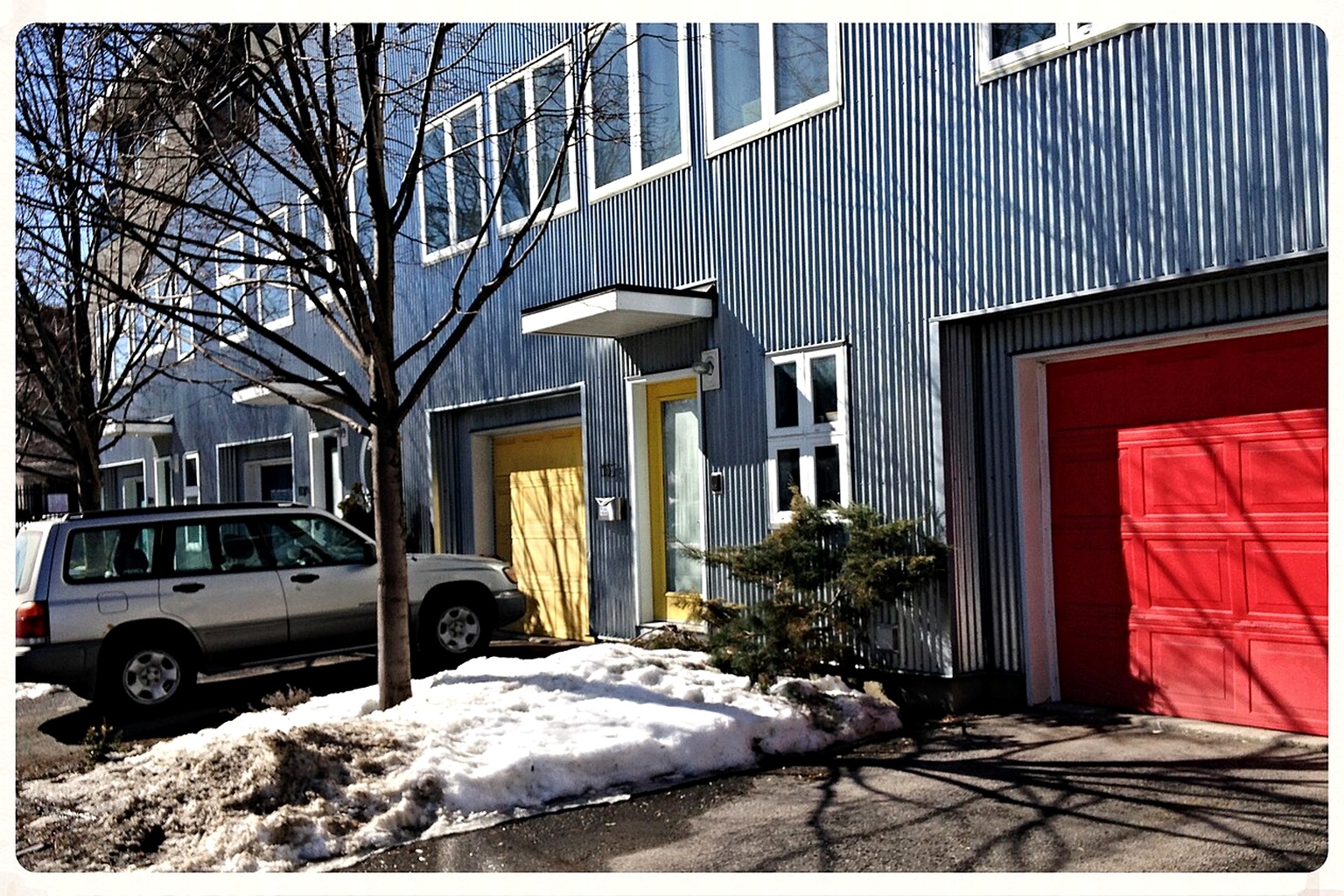
A Penticton townhome can look easier to operate than a detached rental: exterior work may be shared, the purchase price may be more approachable, and tenants may value a private entrance, garage or patio. But an investment decision cannot rest on the monthly rent shown in an advertisement. The buyer must test the strata documents, tenancy obligations, physical condition, financing, taxes and realistic operating costs as one connected system.
Start with the rental strategy, not a hopeful rent number
Define the intended use before judging a property. A conventional long-term tenancy, a furnished medium-term arrangement and a vacation-style short-term rental have different legal, operational, financing, insurance and management requirements. A home that works for one model may fail another. Write down the expected tenant profile, lease length, included utilities, parking needs, pet approach, management plan and minimum acceptable cash reserve.
For most buyers, the first question is not “What is the highest rent?” It is “What rent can be supported by comparable evidence without assuming perfect occupancy?” Save dated rental comparisons for similar townhomes, then adjust for bedroom count, garage or stall, outdoor space, condition, location, utilities and restrictions. Treat a seller’s estimate as marketing until independently verified.
Would a tenant choose it?
Consider privacy, noise transfer, stairs, storage, parking, outdoor space, heating and cooling, school or work routes, and how easy the home will be to maintain between tenancies.
Can you operate it?
Decide who handles advertising, screening, inspections, maintenance, emergencies, strata notices, accounting and disputes. Price professional management if you will not do the work.
What BC strata law changed—and what it did not
Section 141 of British Columbia’s Strata Property Act says a strata corporation must not screen tenants, require tenant approval, insert terms into tenancy agreements or otherwise restrict the rental of a strata lot.[1] That removes the old assumption that a conventional strata rental can simply be prohibited by a rental-restriction bylaw.
It does not make the strata documents irrelevant. Tenants remain subject to bylaws and rules governing matters such as noise, parking, pets, smoking, common-property use, move procedures and chargeable services. Age-restriction bylaws can also affect who may occupy a home. Review the current registered bylaws, rules, Form B, minutes, depreciation report, budget and insurance—not an old listing summary.
Before renting a residential strata lot, the landlord must give the prospective tenant the current bylaws and rules plus the prescribed Notice of Tenant’s Responsibilities. Within two weeks after renting, the landlord must give the strata corporation a copy of the signed notice.[1] Build this step into the lease file rather than relying on memory after possession begins.
What this means for you: “Rentals allowed” is only the beginning. Confirm the occupant will comply with age, pet, parking and use rules; identify move fees and booking procedures; and model the owner’s continuing exposure to strata fines, damage and special levies.
Read minutes like an operator
Search recent minutes for recurring complaints, enforcement, water incidents, plumbing failures, pest issues, roof or envelope work, insurance claims, parking disputes and unpaid strata accounts. Note whether the property has frequent tenant turnover or absentee ownership. A pattern of complaints does not automatically disqualify a property, but it can mean more management time, higher insurance scrutiny or future cost.
Check the operating budget and contingency reserve fund alongside the depreciation report. A low monthly fee is not automatically a strength if maintenance is deferred or reserves are thin. Model the possibility of fee increases and special levies without pretending that either can be predicted precisely.
Residential-tenancy duties belong in the investment model
A landlord is operating a regulated housing relationship, not simply collecting rent. British Columbia’s Residential Tenancy Act requires a written tenancy agreement, regulates deposits and rent increases, sets rules for entry and repairs, and creates formal processes for ending a tenancy and resolving disputes.[2] Use the current provincial forms and guidance, and obtain legal advice for a specific dispute or unusual clause.
The Act requires the landlord and tenant to inspect the condition of the rental unit at the beginning of the tenancy, subject to the regulations, and it also establishes move-out inspection duties.[2] A dated report with useful photographs protects both parties and gives the owner a maintenance baseline. Budget time for documentation, key control, smoke and carbon-monoxide alarm checks, utility readings and follow-up work.
Do not underwrite aggressive annual rent growth. The Act says a landlord must not impose a rent increase for at least 12 months after the tenant’s rent was first payable or after the last increase, and the permitted amount and notice process are regulated.[2] A conservative model should work at the lawful current rent, not depend on immediate resets or informal fees.
Vacant possession and future resale risk
A tenanted property may not be freely available for an owner, relative or buyer on the date someone prefers. The legal reason, notice method, timing, compensation and evidence matter. If the investment thesis assumes a future move-in, renovation or vacant resale, have a qualified adviser review that scenario before purchase. Never treat a fixed-term end date as automatic vacant possession.
Short-term rental is a separate gate
Do not convert a long-term rental analysis into a short-term-rental forecast by multiplying a nightly rate. The City of Penticton says a business licence is required to operate a short-term rental and defines its standard short-term category as renting for 90 days or less.[7] City rules, provincial requirements, strata bylaws, insurance, financing, tax treatment, guest management and neighbourhood impacts all need separate verification.
The City also advises strata owners to review their strata corporation’s rules and regulations.[7] A strata’s inability to restrict ordinary residential rentals under section 141 should not be read as blanket permission for vacation accommodation. If the numbers only work as a short-term rental, make licence eligibility and every other approval a subject of professional due diligence—not an after-closing task.
Build cash flow from the bottom up
Start with gross scheduled rent, then subtract a vacancy and collection allowance. Add only income that is lawful, documented and likely to continue, such as separately agreed parking or utilities. Then list every operating cost on its own line. Do not hide irregular expenses in a vague “miscellaneous” percentage.
| Cash-flow line | Evidence to request | Stress test |
|---|---|---|
| Rent | Dated comparable rentals and any existing tenancy agreement | Lower rent or one vacant month |
| Strata fees | Current Form B, budget and recent notices | Fee increase plus owner-paid chargebacks |
| Property tax | Current municipal tax notice | Use current amount, not a seller estimate |
| Insurance | Landlord quote and strata insurance summary | Higher premium or deductible exposure |
| Repairs | Inspection, age of systems and service quotes | Appliance, plumbing or HVAC failure |
| Management | Written fee proposal and leasing charges | Professional management from day one |
| Financing | Lender commitment and payment schedule | Renewal at a higher rate |
| Capital reserve | Property-specific component list | Special levy plus in-suite replacement |
Collected rent + dependable other income − vacancy allowance − strata fees − property tax − insurance − owner-paid utilities − management − routine maintenance − capital reserve − financing costs.
Run at least three versions: expected, conservative and stressed. The stressed version should include vacancy, a meaningful repair, a strata-cost increase and a higher financing cost at renewal. If one ordinary setback erases the reserve or forces consumer debt, the purchase may be too tight even if the expected case looks positive.
Cash flow is not the whole return
Principal reduction and long-term value change may matter, but they do not pay this month’s repair invoice. Appreciation is uncertain and should not rescue a weak operating plan. Separate before-tax cash flow, mortgage principal repayment, capital improvements and any assumed value change so the model remains understandable.
Tax and recordkeeping: verify before you optimize
The Canada Revenue Agency’s rental-income guide explains how to determine gross rental income, deductible expenses, and net rental income or loss, and how to complete Form T776.[8] The distinction between a current expense and a capital expense matters, as can personal use, co-ownership, services provided and capital cost allowance. A buyer should obtain tax advice for the ownership structure and renovation plan before relying on deductions.
Create a clean property file from day one: purchase documents, financing, legal and accounting invoices, inspection, improvements, strata records, insurance, leases, deposits, rent receipts, mileage or travel support where relevant, and every repair invoice. Keep security-deposit accounting separate from operating money. Good records support tax reporting and make management or resale handoffs easier.
A practical offer-stage due-diligence sequence
- Verify legal use. Confirm the intended long-term, medium-term or short-term strategy against strata, municipal, provincial, lender and insurer requirements.
- Read the strata package. Review bylaws, rules, Form B, minutes, budget, depreciation report, insurance, financial statements and levy history.
- Inspect for rental wear. Assess plumbing, electrical, heating and cooling, appliances, flooring, moisture, doors, windows, garage, patio and life-safety devices.
- Confirm the tenancy state. If occupied, obtain the complete agreement, deposits, notices, inspection reports, payment ledger and correspondence, subject to privacy and legal advice.
- Support the rent. Save relevant comparable listings and use a conservative achievable figure.
- Quote the costs. Obtain financing, landlord insurance and management estimates instead of using generic percentages alone.
- Run stress cases. Add vacancy, repairs, fee increases, a levy and a higher renewal rate.
- Plan operations. Assign responsibility for emergency response, inspections, repairs, strata communication and accounting.
Red flags that deserve more time
- The investment only works using the highest advertised rent with no vacancy.
- The seller cannot produce a complete tenancy agreement, deposit record or condition report.
- The proposed occupant or use may conflict with age, pet, parking or short-term-accommodation rules.
- Minutes show repeated leaks, insurance claims, noise complaints or owner chargebacks.
- The contingency reserve appears thin compared with identified major work.
- The lender or insurer has not confirmed the intended rental use.
- A furnished or short-term forecast is used while licensing and strata review remain unfinished.
- No budget line exists for management, turnover, appliances, deductibles or special levies.
- The plan assumes quick vacant possession or unlimited rent increases.
FAQ: Penticton townhomes as rental properties
Section 141 says a strata corporation must not otherwise restrict the rental of a strata lot, but tenants and landlords still have to follow other valid bylaws and rules.[1]
The Act says a strata corporation must not screen or require approval of tenants. The landlord still has notice and document-delivery duties.[1]
No. Short-term accommodation has separate city, provincial, strata, insurance, financing and tax gates. Penticton requires a business licence for a short-term rental.[7]
There is no single universal number. Use evidence for achievable rent and test vacancy, repairs, strata costs, management and financing together.
It may provide immediate income, but review the full tenancy file, payment history, deposits, inspection evidence, lawful rent and future plans with appropriate advisers.
Not necessarily. CRA distinguishes current and capital expenses. Obtain tax advice on the exact work and ownership structure.[8]
Authoritative sources
- [1] BC Laws: Strata Property Act, Part 8 — Rentals
- [2] BC Laws: Residential Tenancy Act
- [7] City of Penticton: Short-Term Rentals
- [8] Canada Revenue Agency: Guide T4036, Rental Income
Want to keep going?
Get the South Okanagan Townhome Buyer’s Guide (Free)
Clear checklists, strata fee basics, and the questions buyers forget to ask.
No spam. Unsubscribe anytime.